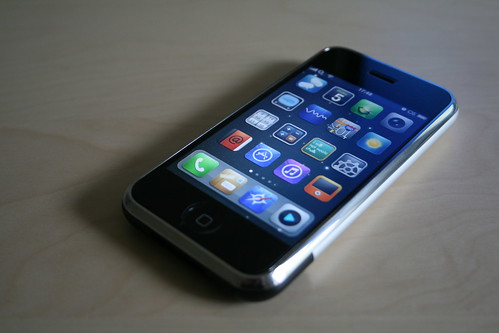
I'm very hesitant to use cell phones in the classroom. Especially since I'm planning on teaching elementary school, and I am really hoping that my young students don't already have cell phones. I guess it's my personal stance on the issue, that kids don't need cell phones until they are driving. Maybe it's because cell phones only started becoming popular when I was getting into middle school and even then I didn't get my first cell phone until I started driving. Now, cell phones do a million different things and everyone seems to have one.
Contrary to my previous beliefs I decided to learn more about cell phone use in the classroom. I didn't totally change my mind on the subject, but definitely made me a little more into possibly attempting the use of phones in the classroom. I researched and I found a cool website about how to use cell phones in the classroom. Click here for ideas on how to use cell phones in the classroom. Reading the ideas on the website made me think about possibly using the cell phones in that way in my classroom. I think if I teach an older grade such as 5th or a middle school class then it could come in handy, but I'm not sure how many younger children have cell phones so I wouldn't want to leave anyone out. At the beginning of the year I would at least do a survey with the students to see what kinds of technology they have available to them, so that I can focus on that technology and use it as often as I can.
I looked more into using the cameras on cell phones in the classroom and found this article that had some really good ideas for teachers. Camera Phone Ideas The first idea in the article about taking pictures of the blackboard/whiteboard is brilliant. I would definitely do that, because otherwise you would lose all the work you did. The ideas in the article are more for the teacher, but some seemed good for students too.
One of my TE teachers had us use our camera phones to take pictures of things around Erickson hall and then share them with the rest of the class to present about aspects of science. It was a really fun activity and I think that students can really have fun with it. I would figure out a way to get the pictures up on the projector (maybe uploading to a website like picnik or the providers website). The students could then do other things with the pictures they took.
The issues I see with allowing phones to be used in the classroom is that the students may feel as if it's appropriate to use their phones all the time and then text and do other things that aren't related to school. Cell phones have so many things that can aid in distracting a student, especially during a time that they are doing something that they may not fully enjoy. If I did use cell phones in my classroom I would definitely lay down a lot of rules about the cell phones and monitor use of the phones closely.
So, I'm getting more comfortable with the idea of cell phones being used in the classroom, but I still have a bit of an unsure feeling about it. I do think it's important to incorporate technology into the classroom, especially those technologies that are frequently used by students outside of the classroom, but there's just something about leaving certain things for home, that I can't dismiss from my mind. Also, the new technologies may be awesome, but I'm more into what my CEP 416 lesson said, "Sometimes the best technology is a pencil, paper, and maybe a ruler or compass."

